The end of the year is coming up fast, and we’re already looking towards what next year will bring. For designers like myself, the end of the year is an inspiring time. What trends and design aesthetics will be popularized in 2020? What trends will likely be on their way out?
“The 10,000 foot-view of these trends makes it clear that ‘web’ design looks more like traditional ‘graphic’ or ‘print’ design than ever. The amount of flexibility that designers in being expressive and creatively nimble is astonishing compared to just five or ten years ago,” states Khoi Vinh, Senior Director of Product Design at Adobe XD.
Vinh couldn’t be more right. Having done this look ahead in design trends for several years now, I can completely agree that these trends show just how creative designers have become with making the web feel more like other types of media, such as graphic design and print design.
If you’re a designer, or a fan of great design, you’re in luck. I’ve done most of the heavy lifting for you, and pulled together the top web design trends that will likely grace your screens in 2020.
Read more: 10 web design trends that will dominate your screen in 2020
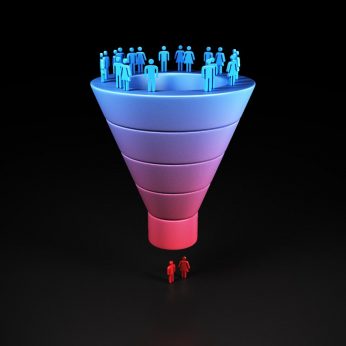
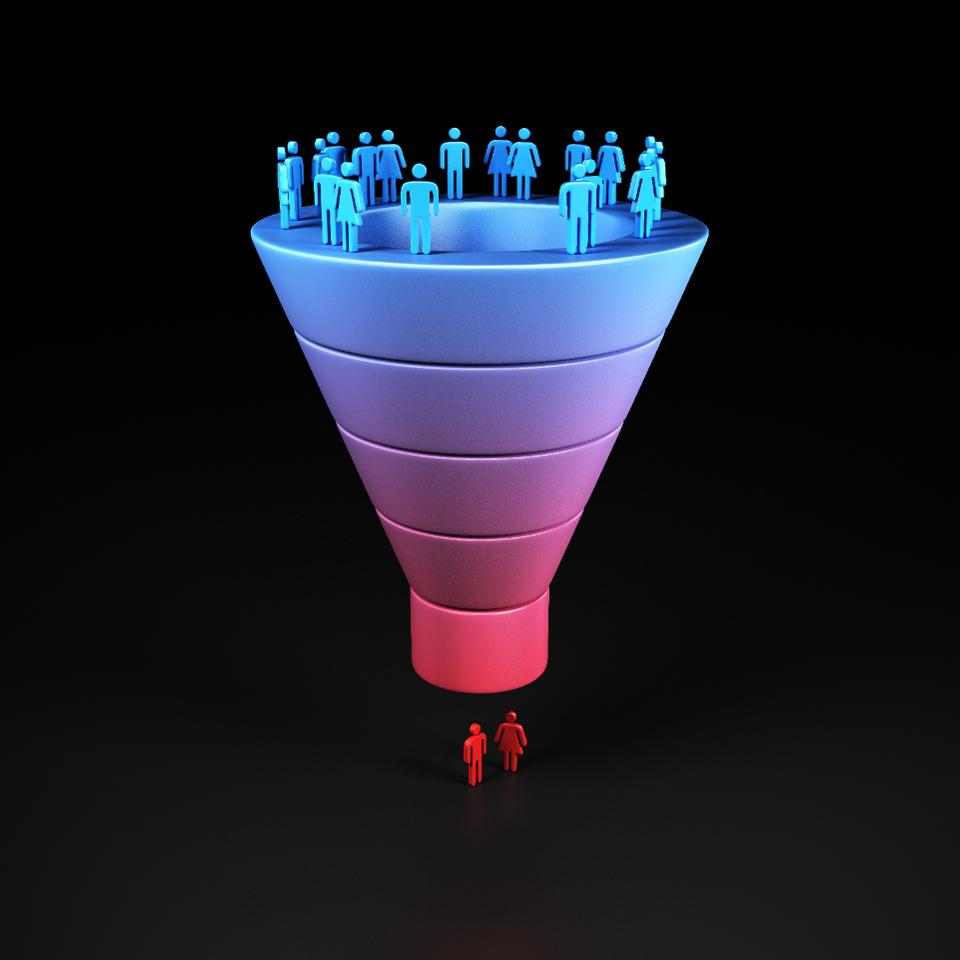
Marketers are often held accountable for driving growth. Yet, it is elusive for many companies, which is why Gartner found in a survey that generating growth is the top priority for CEOs. Prospex.ai commissioned an independent survey among more than 750 decision makers in U.K. businesses to identify the specific growth-related challenges that companies are facing. They found that 58% indicated that lead generation is a key challenge business leaders face. Over 40% describe their business’ current sales and marketing efforts as “outdated,” with 59% of businesses relying on spreadsheets to track how they are marketing to leads and 33% relying on cold calling to sell to leads. Essentially, a reliance on traditional sales methods such as cold calling, buying data and using spreadsheets is preventing businesses from winning new customers, the research suggests.
Interestingly, the introduction of General Data Protection Regulation (GDPR) in May 2018 negatively impacted 42% of businesses, reducing their databases of leads. Furthermore, 44% believe GDPR made it extremely difficult to capture new leads and effectively market to them.
Nikolas Kairinos, CEO and cofounder of Prospex.ai, said: “Lead generation is the lifeblood of a company, so it is a concern to see so many businesses struggling in this area. Our research shows there is an over-reliance on old methods of lead generation, which may have been the norm decades ago but are inadequate in today’s digital world. Businesses need to adapt to ensure they remain competitive and increase the number of leads that eventually convert into sales. Fortunately, there exists a host of accessible technological solutions to change the way businesses are able to run sales and marketing campaigns, from big data and social media profiling through to artificial intelligence and machine learning.”
Salvatore Minetti, CEO at Fountech Ventures, said: “The lack of sales predictability and the challenge of converting a lead into a customer, be it a consumer or business, is a top concern companies of all sizes face. What’s more, traditional sales and lead generation techniques are typically labor intensive, expensive and time-consuming, with sales and marketing professionals forced to carry out repetitive and tedious tasks in the hope that a lead will eventually convert. That’s why this shift towards automation and AI comes should come as no surprise. By employing creative AI algorithms, lead generation can be performed much more efficiently. It also means that sales and marketing professionals are able to harness real-time data from sources like sales, texts and social media, and use this information to make important strategic decisions.”
Times, they are a changin’—as the saying goes, and while perhaps every industry you can imagine is thinking ahead to how emerging technologies are disrupting their landscape, web development is no different. Just because the Web is digital doesn’t mean that it too won’t be subject to change.Are we at the dawn of something big?
Artificial Intelligence (AI), Machine Learning (ML), the Internet of Things (IoT), voice-based search, blockchain, cryptocurrency, quantum computing, autonomous vehicles, carbon nanotube chips—no, this isn’t a list of futurist ideas to intimidate you. These are all topics that are changing the world as we know it, and this even comes down to your relationship with the Web and websites themselves.
Let’s talk specifics.
How is AI changing how we interact with the Web?
The concept of Artificial Intelligence seems intimidating at first, but we are seeing it in action every day. It’s not hard to find: natural language processing, autonomous systems, pattern recognition, deep learning, real-time language translation, chatbot interactivity… we could keep going, but the total list would be too long to write. Plus, self-learning abilities can personalize an experience with a website, putting tools and resources to work like never before.
Read more: The Future of Web Development
Do you think of SEO and web design as separate elements of your website?
You shouldn’t.
In fact, to do both correctly, they have to work together. Google cares about how your site looks and feels more than you might think it does. Even if it can’t “see” it the same way a human user can, there are benefits to building a responsive website that will make your SEO more solid than ever.
Building rapport with Google takes more than keyword frequency. Here’s how you can make your website show up higher on search rankings and stand out from the pack:
1. Mobile matters.
At the end of 2017, Google announced on its webmaster blog that it was going to start indexing mobile sites first. Previously, the desktop version of a website was the one that would get indexed. But from then on, Google slowly began rolling out a mobile-first program.
Google knows what it’s doing. According to a Quartz report from media agency Zenith, 70 percent of all web traffic came from smartphones in 2017. And that number is only expected to climb.
Read more: 5 Ways Solid SEO and Web Design Work Together to Build Rapport With Google
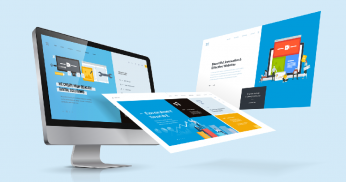
Before visitors read anything on your site, they should be drawn in by an attractive web design. Learn how to create an eye-catching website here.
Did you know that 75% of people will judge the credibility of your business, based on the design of your website?
Thus if you want people to take your business seriously, you must give your website a good design. But if you know little to nothing about website design, you’re probably at a loss in terms of where to begin.
Read on, and you’ll learn the basic principles when it comes to creating an attractive website design. Use these tips, and you won’t have to worry about your credibility taking a hit due to a poorly designed website.
Let’s begin!
- Keep things simple
If you want your website to be appealing, it’s a good idea to make the design as simple as possible.
When your website has a simple design, it will be easier for people to find the things that matter to them. Your website will also load faster on mobile devices, as there won’t be any unnecessary graphics.
- Choose a color scheme
When designing your website, think about using a color scheme of some sort.
You should do this because the use of colors will make your website more engaging. That’s because you can use colors to draw attention to significant bits of information on your site.
When choosing a color scheme, try to select colors that represent your brand.
Read more: Build a beautiful website: Three tips for attractive web design